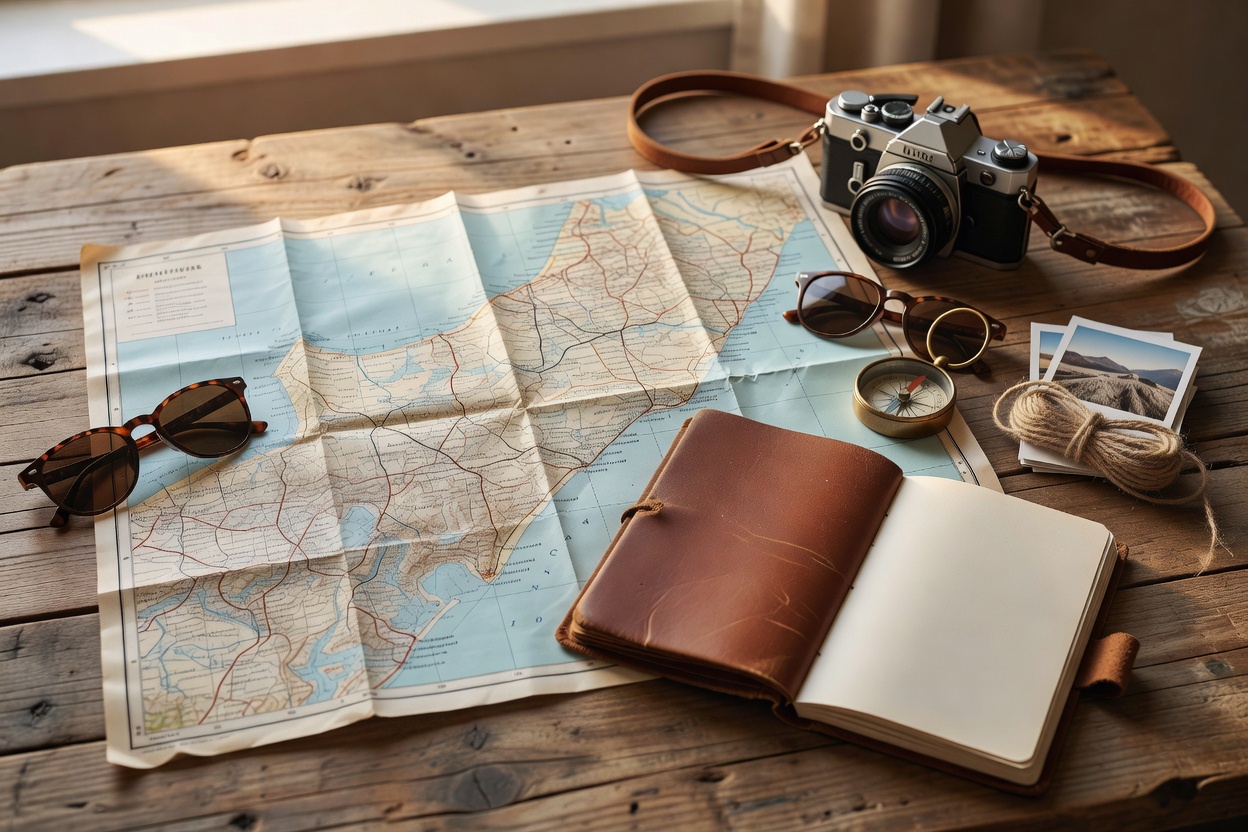
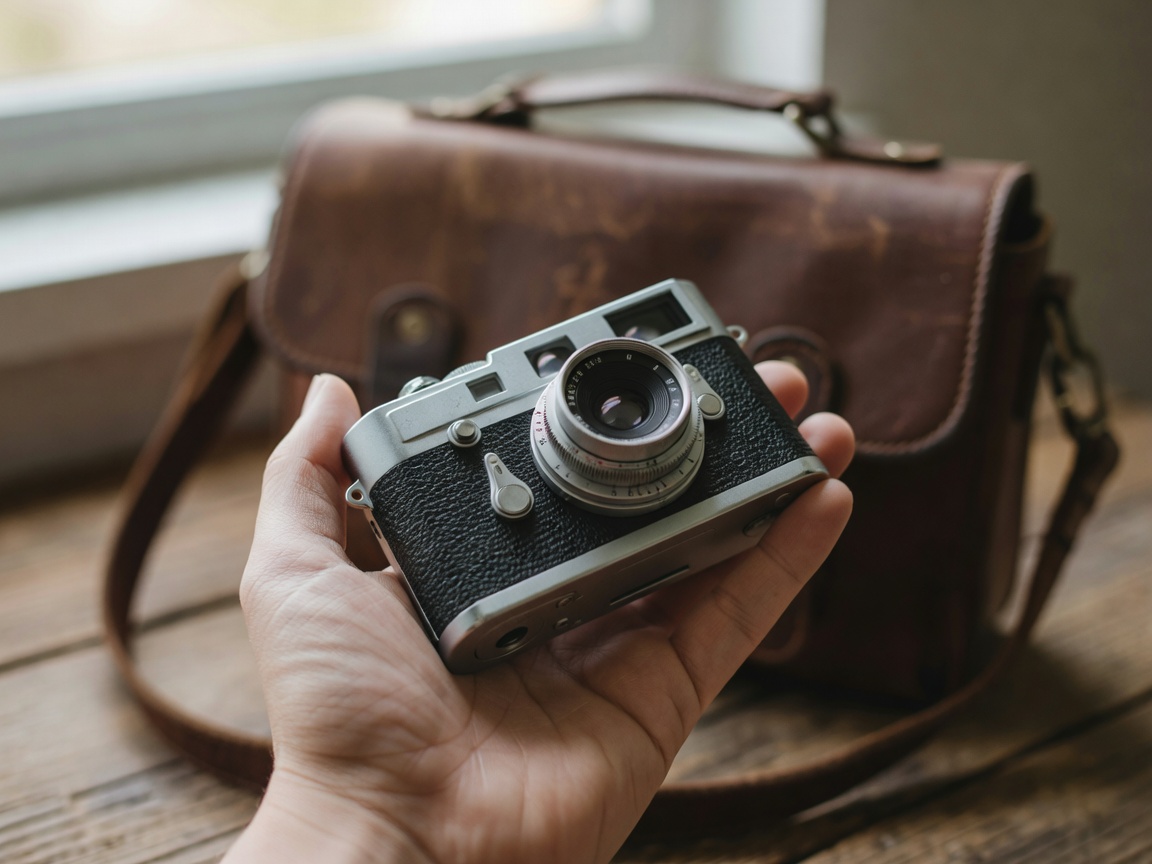
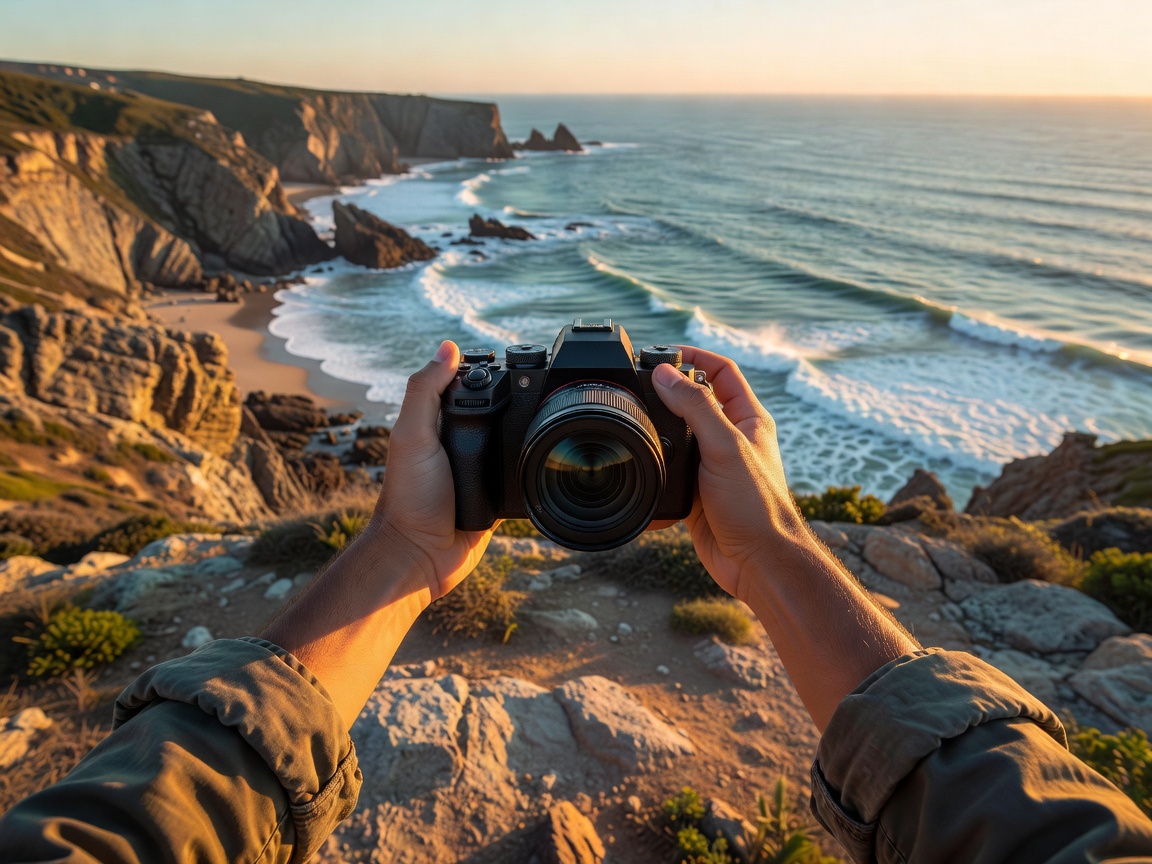
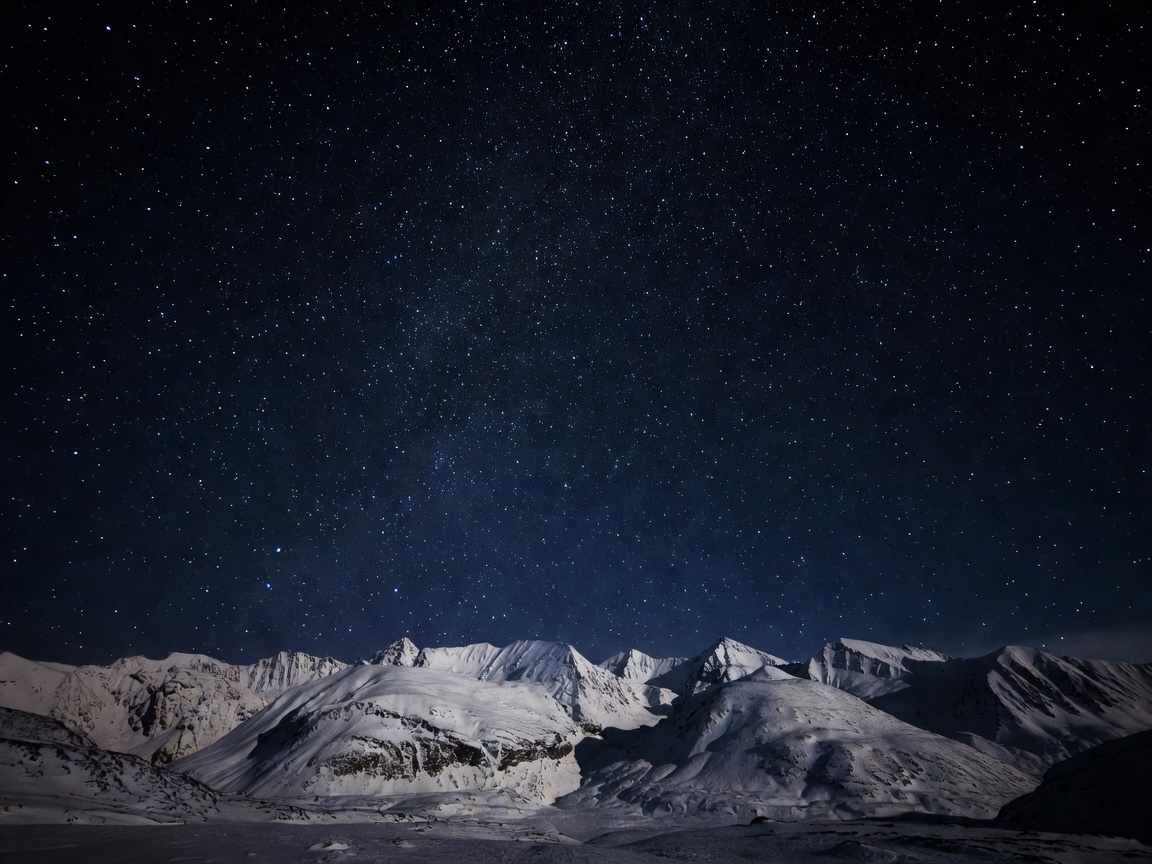
Everything between “which camera?” and “upload complete” — lenses, microphones, gimbals, batteries, cards, security, low light and composition.
01
How to choose a travel camera
Start with how you actually travel, not with sensor charts. Write down three things: what you’ll shoot most (people, landscapes, yourself, action), how much weight you’ll carry on a typical day, and where the footage will end up (prints, YouTube, Reels). Those answers usually narrow the field to one category before you compare a single spec.
Then rank the factors. For most travelers the order is portability, stabilization, battery endurance and ease of use, followed by image quality. Creators who film themselves should move microphone input and a forward-facing screen near the top. Photographers who love night streets should prioritise sensor size and bright lenses.
Budget for the whole kit: spare batteries, cards, a mic and a strap can add 20–30% to the camera price.
Handle a camera in store if you can — grip comfort matters on 20,000-step days.
Use our Camera Finder to turn priorities into a shortlist.
02
Best camera size for travel
Smaller cameras get used more — that’s the travel rule of thumb.
The best camera size for travel is the largest one you will still carry every day. Pocket cameras under 300 g (the DJI Osmo Pocket 3, GoPro HERO13 Black and Sony ZV-1 II) disappear into a jacket or hip bag. Compact mirrorless bodies around 375–520 g with a small lens need a sling bag but deliver larger sensors and lens choice.
Remember that lenses dominate the weight of interchangeable-lens kits. A compact full-frame body paired with a large f/2.8 zoom can weigh more than a kilogram; the same body with a pancake prime may feel like a premium compact.
03
Camera vs smartphone for travel
Modern phones are superb in good light and unbeatable for instant sharing. Where dedicated cameras still pull ahead: optical zoom range or interchangeable lenses, larger sensors for natural background blur and cleaner night shots, proper 3.5 mm or wireless mic inputs, physical controls you can use with gloves, and swappable batteries that keep your phone free for maps and tickets.
A practical approach is “phone for stories, camera for the story”: use the phone for quick social clips and the camera for the content you’ll edit, print or monetise.
04
Best cameras for walking tours
Walking tours reward low weight, one-handed operation and fast startup. A gimbal camera like the Osmo Pocket 3 gives smooth walk-and-talk footage with almost no effort, while the ZV-1 II offers a wider lens for selfie framing. Street photographers often prefer the Fujifilm X100VI for its quiet leaf shutter and discreet profile.
Wear the camera cross-body rather than around your neck to reduce fatigue.
Keep a lens cloth in an easy pocket; city dust and fingerprints add up quickly.
05
Best cameras for YouTube vlogging
A front-facing screen and good autofocus make self-recording far easier.
For YouTube travel vlogs, look for reliable face/eye autofocus, a fully articulating screen, 4K recording, a mic input and — ideally — a headphone jack for monitoring. The Sony ZV-E10 II and Sony a7C II offer both mic and headphone jacks; the Canon EOS R50 is a friendly entry point with excellent autofocus.
Think about 10-bit recording and log profiles only if you plan to color grade. For many vloggers a pleasing built-in look (such as Sony’s S-Cinetone) saves hours in editing.
06
Best cameras for TikTok and Reels
Short-form platforms favor vertical framing, fast turnaround and stable handheld shots. Cameras that record vertical natively or flag vertical orientation save time in editing. The Osmo Pocket 3 rotates its screen to switch to vertical; the Lumix S9’s open-gate 6K lets you crop both 9:16 and 16:9 from one take.
Shoot a few seconds of “handles” before and after each action for snappy edits.
Use the maker’s mobile app to move selects to your phone for same-day posting.
07
Travel lens selection
One versatile lens beats a bag full of glass you never change. For vloggers on APS-C, a wide zoom or ultra-wide prime (roughly 10–20 mm) gives arm’s-length framing. For general travel, a standard zoom covering roughly 24–70 mm full-frame equivalent handles streets, food and portraits. Add a bright prime (f/1.8 or faster) for night streets and interiors.
Always check lens compatibility and crop factor with the manufacturer — APS-C lenses on full-frame bodies, or adapted lenses, may crop the image or limit autofocus features.
08
Microphones for travel creators
Audio is what viewers notice first. A compact wireless lavalier system is the most flexible travel mic: clip it on, walk away from the camera and still sound close. On-camera shotgun mics are great for ambient sound and quick setups. Always carry a furry windscreen (“deadcat”) for outdoor use.
Check connection type: 3.5 mm, 2.5 mm (Fujifilm X100VI), USB-C or proprietary wireless pairing.
A headphone jack lets you catch wind noise and clothing rustle before it ruins a take.
09
Stabilization and gimbals
There are three main approaches. Mechanical gimbals (built into the Osmo Pocket 3 or as handheld accessories) deliver the smoothest walking footage. In-body image stabilization (IBIS) moves the sensor and helps both photos and video. Electronic stabilization crops and shifts the frame digitally — action cameras do this extremely well, but on larger-sensor cameras it costs field of view.
Technique matters too: bend your knees, walk heel-to-toe and hold the camera close to your chest.
10
Battery and charging strategy
Plan around real-world video time, which is often far shorter than CIPA still-photo ratings. Carry at least one spare battery for cameras with small cells, and choose models that charge or run via USB-C so a power bank can top you up on trains and buses.
Check airline rules for lithium-ion batteries; spares usually travel in carry-on luggage with terminals protected.
Cold weather drains batteries quickly — keep spares in an inside pocket.
11
Memory cards and storage
Match card speed to your camera: high-bitrate 4K and 10-bit modes generally need V30-rated cards or faster, and some modes recommend V60/V90 or UHS-II. Use several medium-capacity cards rather than one huge one so a single loss doesn’t wipe your trip, and back up nightly to a portable SSD or cloud.
12
Camera protection while traveling
Use a padded insert inside an everyday bag rather than an obvious camera bag, attach a secure strap, and keep the camera in sight in crowded areas. Consider travel insurance that explicitly covers camera gear. A rain cover or zip-top bag protects non-sealed cameras from sudden showers and sea spray.
13
Shooting in low light
Larger sensors and bright lenses make the biggest difference after dark.
Bigger sensors (APS-C and full-frame) and bright apertures collect more light. Stabilization lets you use slower shutter speeds for stills. For video, find practical light — shop windows, street lamps, candlelit cafés — and expose for faces. Shooting RAW gives more room to recover shadows later.
14
Travel photography composition
Lead the eye with paths, rivers and railings; frame scenes with doorways and arches; and include a human element for scale. Shoot wide, medium and detail versions of each scene so your edits and carousels have rhythm. Golden hour and blue hour flatter almost every destination.
15
Packing camera gear safely
Carry cameras, lenses and lithium-ion batteries in hand luggage.
Pack a small kit pouch: spare battery, card wallet, USB-C cable, lens cloth, mini tripod.
Cap lenses and turn the camera off before packing to avoid accidental recording and heat.
Silica gel packs help in humid climates; let gear warm up in a sealed bag after cold outdoor shoots to limit condensation.